The Power Couple: Unleashing Growth through Marketing Automation and CRM Integration

In the modern digital landscape, the phrase ‘work smarter, not harder’ has become more than just a motivational cliché—it is a survival mandate. As businesses scale, the sheer volume of customer data and the complexity of touchpoints can become overwhelming. Enter the dynamic duo of the enterprise world: Marketing Automation and Customer Relationship Management (CRM). While often discussed as separate entities, their integration represents the ultimate synergy for any organization looking to drive sustainable growth and foster genuine customer loyalty.
Understanding the Ecosystem
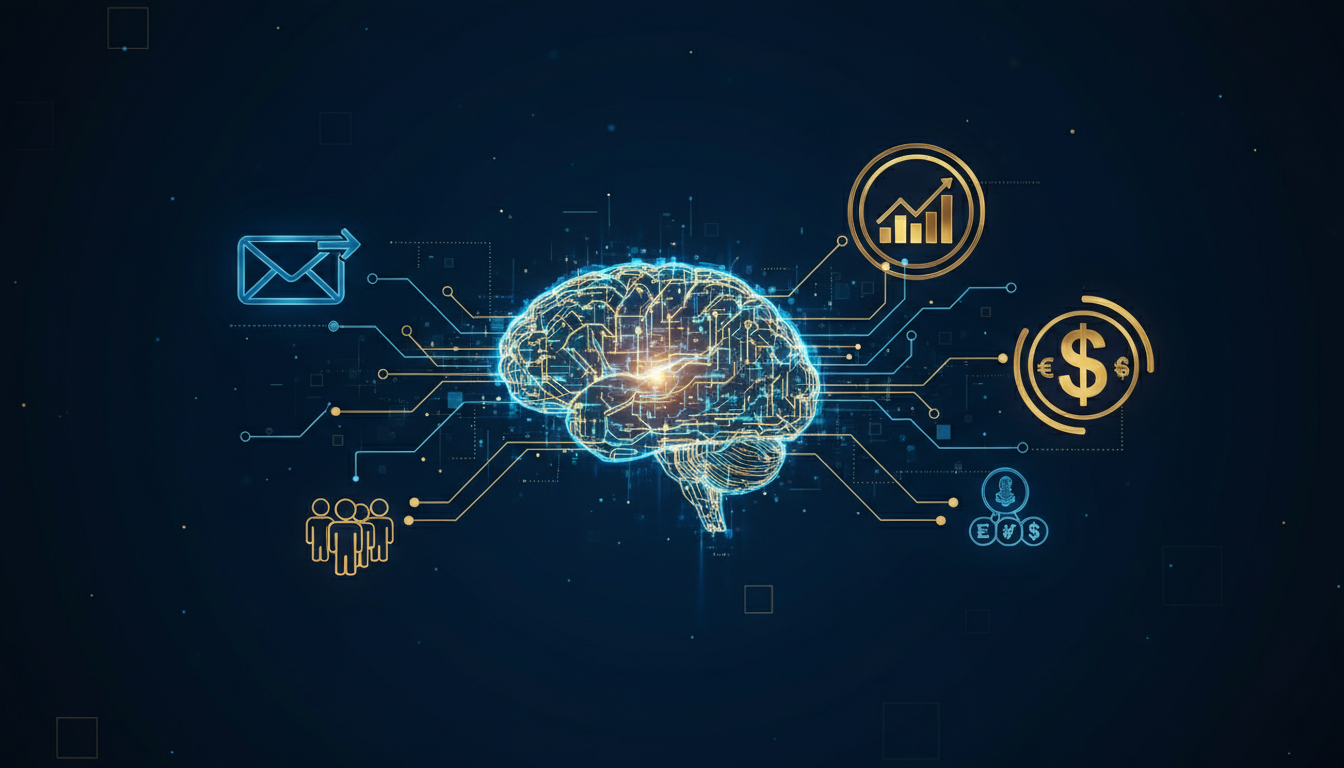


To appreciate the depth of this integration, we first need to define the players. A CRM is essentially the ‘brain’ or the central repository of your customer knowledge. It tracks who your customers are, their purchase history, and every interaction they’ve had with your brand. Marketing Automation, on the other hand, is the ‘nervous system’—it uses the data provided by the CRM to execute repetitive tasks like emails, social media posts, and lead nurturing at scale without losing that personal touch.
When these two systems talk to each other seamlessly, the marketing department stops guessing and starts knowing. Instead of casting a wide net and hoping for a catch, businesses can deploy precision-guided strategies that meet the customer exactly where they are in their journey.

The Strategic Advantage of Integration
One of the most significant benefits of combining marketing automation with a CRM is the elimination of data silos. In many traditional setups, the sales team has their set of data, and the marketing team has theirs. This often leads to fragmented customer experiences—where a lead might receive a generic promotional email for a product they literally just bought.
By unifying these platforms, you create a ‘Single Source of Truth.’ This allows for:
1. Advanced Lead Scoring: Not all leads are created equal. Automation tools can track a lead’s behavior—such as downloading a whitepaper or visiting a pricing page—and assign a score. Once that score hits a certain threshold, the CRM automatically notifies a sales representative. This ensures that sales teams spend their time on high-intent prospects.
2. Hyper-Personalization at Scale: Modern consumers expect a bespoke experience. With CRM data, your automation platform can send emails that reference the user’s specific interests, last purchase, or even their geographic location. This isn’t just about adding a first name to a subject line; it’s about providing relevant content that adds value.
3. Closed-Loop Reporting: This is the holy grail for marketers. By tracking a lead from the first click (Marketing Automation) to the final handshake (CRM), businesses can see exactly which campaigns generated the most revenue. This data-driven approach allows for better budget allocation and a clearer understanding of ROI.
Mapping the Customer Journey
Automation doesn’t mean ‘set it and forget it.’ It requires a deep understanding of the customer lifecycle. A well-oiled machine maps out various scenarios: What happens when a user abandons a cart? What happens if they haven’t logged in for 30 days?
With CRM-driven automation, these ‘triggers’ become your most powerful sales tools. For instance, a ‘Re-engagement Workflow’ can be automatically triggered for customers who haven’t interacted with your brand in three months, offering them a personalized discount based on their previous buying habits stored in the CRM.

Best Practices for Implementation
Transitioning to an automated, CRM-centric model requires more than just buying software; it requires a shift in mindset. Here are a few pillars for success:
- Clean Your Data: Automation is only as good as the data feeding it. Before integrating, ensure your CRM is free of duplicates and outdated information. ‘Garbage in, garbage out’ is a rule that applies strictly here.
- Define Your Personas: You cannot automate personalization if you don’t know who you are talking to. Use your CRM history to build detailed buyer personas.
- Start Small: Don’t try to automate your entire business overnight. Start with a simple welcome sequence or a lead-nurturing workflow and optimize based on performance.
- Maintain the Human Touch: Always remember that at the other end of the automation is a human being. Ensure your copy sounds conversational and that there are clear paths for a customer to speak to a real person if they need help.
The Future: AI and Beyond
As we look toward the future, the integration of Artificial Intelligence (AI) into the CRM and automation space is set to change the game again. Predictive analytics will soon allow businesses to anticipate customer needs before the customer even realizes them. We are moving from a ‘reactive’ marketing stance to a ‘proactive’ one, where the CRM-Automation engine acts as a concierge, smoothing the path for the customer before they encounter any friction.
Conclusion
Marketing automation integrated with a robust CRM is no longer a luxury reserved for Fortune 500 companies. It is an essential framework for any business that values efficiency, relevance, and growth. By bridging the gap between data and action, you empower your team to build deeper relationships with your audience while scaling your operations to new heights. The technology is here; the question is, are you ready to use it to its full potential?