Beyond the Template: Mastering Hyper-Personalized CRM Automation in the Digital Age

In the contemporary landscape of digital commerce, the term ‘personalization’ has frequently been tossed around as a mere buzzword. However, as consumer expectations evolve from desiring simple recognition to demanding absolute relevance, the industry has shifted toward a more sophisticated paradigm: Hyper-personalized CRM automation. This isn’t just about inserting a first name into an email subject line; it is about leveraging real-time data, artificial intelligence, and deep behavioral analytics to deliver experiences that feel tailor-made for the individual at every touchpoint.
The Shift from Generic to Hyper-Personalized
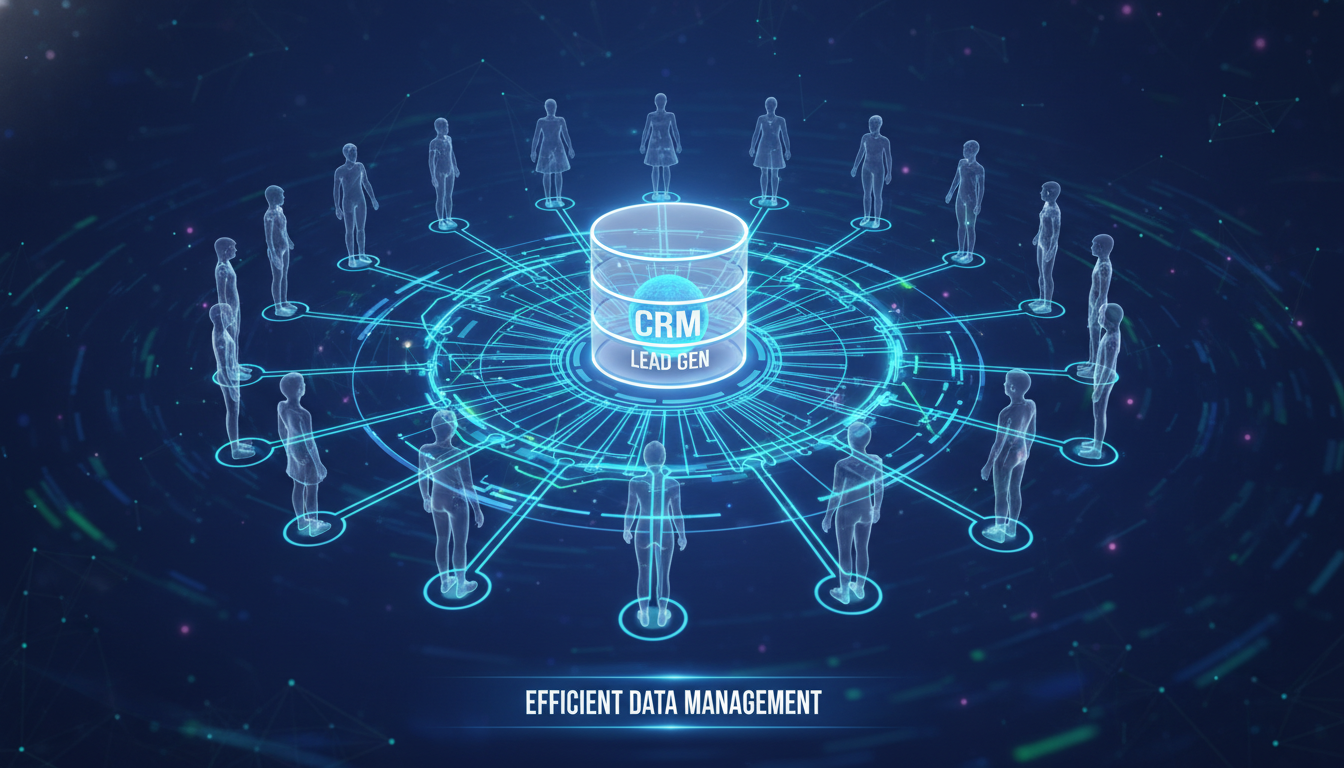

Traditional CRM systems were designed as glorified digital Rolodexes—repositories for contact information and history. Automation in these legacy systems usually meant ‘segmentation,’ where customers were grouped into broad buckets like ‘males aged 25-35’ or ‘past buyers.’ While effective a decade ago, this approach often misses the nuance of individual intent. Hyper-personalization, by contrast, treats every customer as a segment of one. It looks at the context: What is the user looking at right now? What was their last interaction on social media? What time of day are they most likely to engage?
By integrating these disparate data points, hyper-personalized CRM automation allows brands to move away from static campaigns toward dynamic, living conversations. It is the difference between sending a generic ‘we miss you’ discount code and sending a curated recommendation for a product that complements an item the customer viewed three minutes ago on their mobile device.
[IMAGE_PROMPT: A sophisticated 3D visualization of a central digital hub connecting various data streams like social media icons, shopping carts, and chat bubbles into a singular, glowing human silhouette, representing a unified customer profile in high-tech blue and gold tones.]
The Engine Under the Hood: AI and Real-Time Data
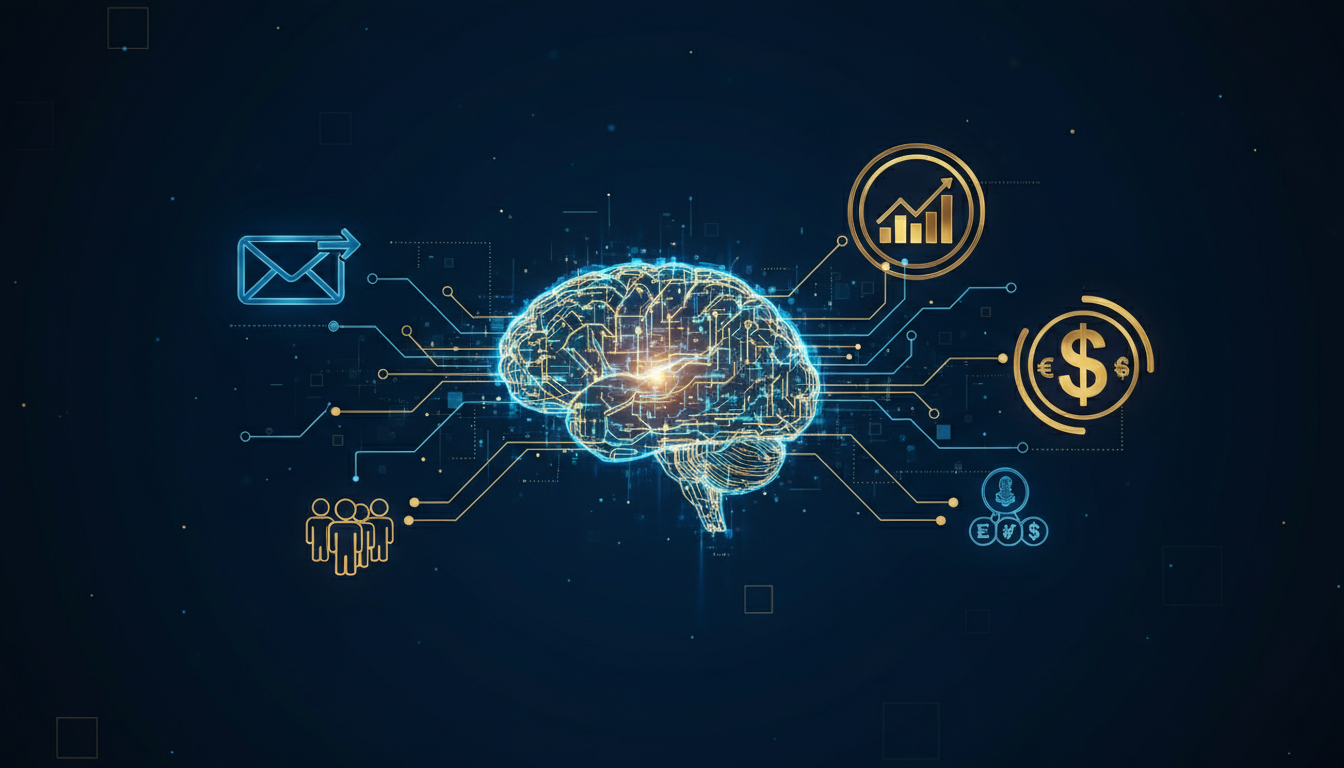
At the core of hyper-personalization lies the marriage of Artificial Intelligence (AI) and Machine Learning (ML). These technologies process vast quantities of ‘big data’ at speeds no human marketing team could achieve. AI models can predict future behavior based on historical patterns, identifying ‘churn risks’ before the customer even considers leaving or suggesting ‘next-best-actions’ for sales representatives.
Real-time data processing is the fuel for this engine. In a hyper-personalized ecosystem, data latency is the enemy. If a customer abandons a cart, the automated response should trigger based on their current session behavior, not a batch process that runs at midnight. This level of responsiveness requires a robust infrastructure where the CRM is seamlessly integrated with the website, mobile app, point-of-sale systems, and customer support channels.
Crafting the Relaxed yet Professional Customer Journey
While the technology is complex, the resulting customer experience should feel effortless. The paradox of great CRM automation is that the more ‘robotic’ and data-driven the backend is, the more ‘human’ the frontend feels. When a system remembers a customer’s preferences across different platforms, it builds a sense of being understood.
For instance, consider a luxury travel agency using hyper-personalized automation. Instead of sending a blast email about ‘Summer Destinations,’ their CRM identifies a client who recently searched for ‘sustainable villas in Tuscany’ and ‘vegan dining.’ The automated output is a bespoke digital brochure featuring eco-friendly Italian estates with a curated list of local plant-based restaurants. This isn’t intrusive; it’s helpful. It respects the customer’s time by filtering out the noise of irrelevant options.
[IMAGE_PROMPT: A clean, minimalist UI/UX dashboard of a modern CRM showing high-resolution heatmaps and individual customer journey timelines with colorful nodes representing interactions, displayed on a sleek laptop screen in a bright, modern office setting.]
Overcoming the Privacy-Personalization Paradox
One cannot discuss hyper-personalization without addressing the elephant in the room: data privacy. As regulations like GDPR and CCPA become more stringent, and as consumers become more protective of their digital footprints, brands must walk a fine line. The ‘Relaxed’ tone of communication helps here. Transparency is key.
Hyper-personalized CRM automation should operate on a ‘value-exchange’ basis. If consumers see that sharing their data leads to a demonstrably better, faster, and more relevant experience, they are generally more willing to participate. The goal is to be helpful, not ‘creepy.’ Brands that master this balance use automation to anticipate needs without making the customer feel like they are being surveilled. This involves using ‘zero-party data’—information that customers intentionally and proactively share—to refine the automation rules.
The ROI of Individualization
The business case for hyper-personalization is compelling. Statistics consistently show that companies excelling at personalization generate 40% more revenue from those activities than average players. By automating these processes, businesses can scale this individual attention without a linear increase in headcount.
Furthermore, hyper-personalization significantly reduces ‘marketing fatigue.’ When customers only receive content that interests them, engagement rates (open rates, click-through rates, and conversions) skyrocket. This efficiency optimizes marketing spend, ensuring that resources are focused on the leads and customers most likely to provide high lifetime value.
Conclusion: The Future is Automated and Personal
As we look toward the future, the integration of generative AI within CRM systems will only deepen the level of hyper-personalization possible. We are moving toward a world where every email, every landing page, and every product description is generated on-the-fly for the specific individual viewing it.
In conclusion, hyper-personalized CRM automation is no longer a luxury for tech giants—it is a strategic necessity for any brand wishing to remain relevant. It requires a shift in mindset from ‘broadcasting’ to ‘listening.’ By utilizing the right tools to interpret data and automate responses with a human-centric touch, businesses can foster deeper loyalty, drive higher revenue, and create a brand experience that truly stands out in a crowded digital marketplace. The journey from a simple database to a hyper-intelligent engagement engine is complex, but for those who navigate it successfully, the rewards are unparalleled.