Efficiency Unleashed: The Definitive Guide to CRM Software for Sales Automation

Efficiency Unleashed: The Definitive Guide to CRM Software for Sales Automation
In the contemporary business landscape, the adage “time is money” has never felt more literal. As organizations strive to scale and maintain a competitive edge, the manual management of customer relationships has become an unsustainable burden. Enter the world of CRM (Customer Relationship Management) software for sales automation—a technological evolution that transforms the chaotic dance of lead chasing into a choreographed symphony of productivity. While the concept of CRM has been around for decades, the integration of sophisticated automation has redefined what it means to be a modern sales professional. This guide explores the depths of sales automation, helping you understand how to leverage these tools to drive growth without losing the human touch.
The Evolution of the Sales Process
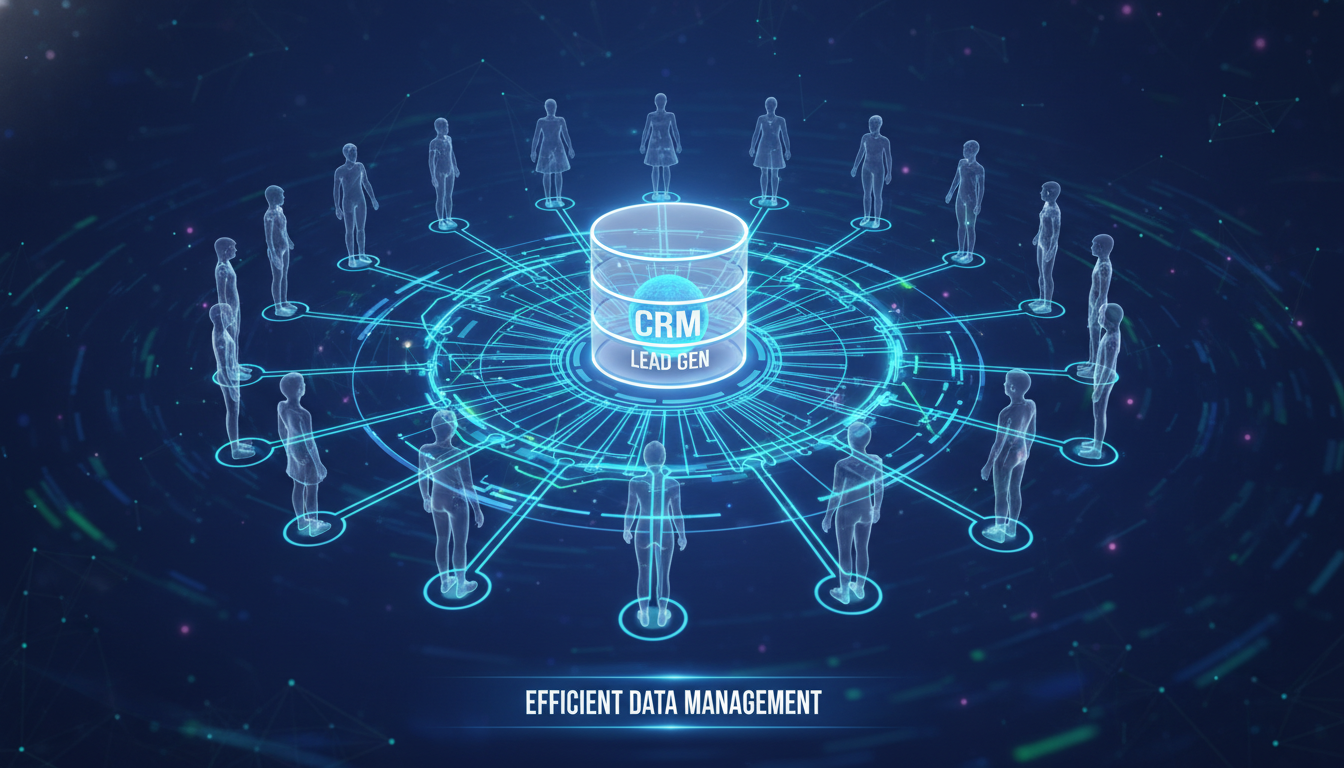
Not long ago, a successful salesperson was defined by their Rolodex and their ability to remember birthdays. Information was siloed in notebooks and spreadsheets, and the risk of a lead “falling through the cracks” was a daily reality. Sales automation within CRM platforms has changed the game by centralizing data and automating the repetitive, administrative tasks that often consume up to 60% of a salesperson’s day.
By automating data entry, lead logging, and follow-up scheduling, CRM software allows sales teams to focus on what they do best: building relationships and closing deals. It is a shift from being a data administrator to being a strategic consultant. The formal structure of a CRM provides the discipline, while the automation provides the speed.
Core Pillars of Sales Automation
To truly appreciate the power of modern CRM systems, one must look at the specific features that drive automation. These are not just bells and whistles; they are the gears that keep the sales engine running smoothly.
1. Lead Management and Scoring
Automation begins the moment a prospect interacts with your brand. Instead of manually inputting contact details, automated CRM systems capture leads from web forms, social media, and email signatures. Furthermore, through “lead scoring,” the software can automatically rank these prospects based on their behavior—such as opening an email or visiting a pricing page—ensuring that your team prioritizes high-value targets.
2. Email Sequences and Outreach
One of the most significant time-savers is the automated email sequence. Rather than manually sending “checking in” emails, a CRM can trigger a series of personalized messages based on specific triggers. If a lead doesn’t respond within three days, the system sends a follow-up. This ensures consistent communication without the mental load of remembering every individual’s status.
3. Workflow Triggers and Task Management
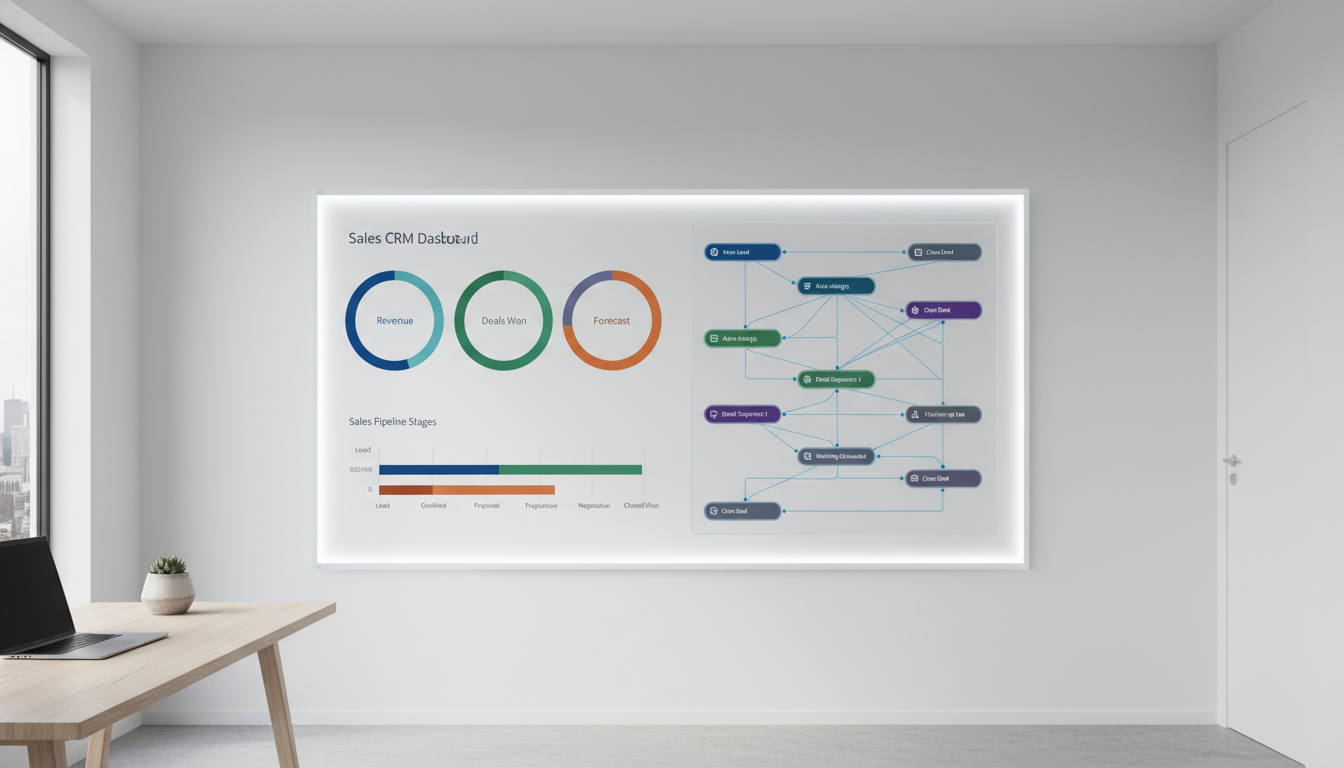
Sales is a game of momentum. Automation allows for “workflow triggers”—if a deal moves from the ‘Discovery’ stage to the ‘Proposal’ stage, the CRM can automatically generate a contract template, notify the legal team, and set a task for the sales rep to follow up in 24 hours. This level of orchestration ensures that the internal process is as fast as the customer expects.
The Strategic Benefits: Beyond Just Speed
While speed is a primary benefit, the strategic advantages of sales automation run much deeper. It provides a level of consistency and data integrity that manual processes simply cannot match.
Data-Driven Decision Making
When every interaction is logged automatically, the CRM becomes a goldmine of business intelligence. Managers can see exactly where deals are stalling, which email templates are performing best, and which sales reps are most efficient. This allows for proactive coaching rather than reactive damage control. You aren’t just guessing why sales are up or down; you have the data to prove it.
Enhanced Customer Experience
Ironically, automation can make a brand feel more personal, not less. Because the CRM tracks every touchpoint, any member of the team can pick up a conversation exactly where it left off. The customer never feels like a number because the system remembers their preferences, their history, and their pain points. Automated reminders ensure that you never miss a promised call, which builds trust—the most valuable currency in sales.

Choosing the Right Software for Your Ecosystem
The market is flooded with CRM options, ranging from the enterprise-grade power of Salesforce and Microsoft Dynamics to the user-friendly agility of HubSpot, Pipedrive, or Zoho. The “best” software isn’t necessarily the one with the most features; it’s the one that your team will actually use.
When evaluating a CRM for sales automation, consider the following:
- Ease of Integration: Does it play well with your existing tech stack (Slack, G-Suite, LinkedIn)?
- Scalability: Will this software grow with you, or will you outgrow it in 12 months?
- Mobile Access: In a hybrid work world, can your sales team access and update the CRM from their phones while on the go?
- Customization: Every sales cycle is unique. Your CRM should be flexible enough to mirror your specific process, not force you into a pre-defined box.
Overcoming the Implementation Hurdle
The most sophisticated CRM in the world is useless if the sales team finds it cumbersome. Implementation is often the stage where automation initiatives fail. To succeed, organizations must treat CRM adoption as a cultural shift, not just a software installation. Providing comprehensive training and demonstrating the “WIIFM” (What’s In It For Me) to the sales staff is crucial. When they see that the automation saves them two hours of paperwork a day, the resistance usually evaporates.
The Future: AI and Predictive Sales Automation
As we look toward the horizon, the next frontier of sales automation is Artificial Intelligence. We are moving beyond simple “if-then” logic into the realm of predictive analytics. Future CRM systems won’t just tell you who a lead is; they will tell you when to call them and what specific product they are likely to buy based on millions of data points. AI-driven sentiment analysis can even tell a salesperson if a customer’s email tone is frustrated or excited, allowing for a more nuanced response.
Conclusion
CRM software for sales automation is no longer a luxury for the tech-savvy; it is a fundamental requirement for any business that wishes to remain relevant in a fast-paced market. By removing the friction of administrative tasks, providing deep insights into the sales funnel, and ensuring a consistent customer experience, these tools empower sales teams to reach their full potential.
While the technology provides the framework, remember that the heart of sales remains the human connection. Use automation to clear the path, so you have more time to walk it alongside your customers. Investing in the right CRM today isn’t just about managing relationships; it’s about building the future of your business on a foundation of efficiency and intelligence.