ESG-Integrated CRM: The New Frontier of Sustainable Customer Relations and Corporate Accountability

In the modern corporate landscape, the acronym ESG (Environmental, Social, and Governance) has evolved from a niche investment metric into a cornerstone of global business strategy. Meanwhile, Customer Relationship Management (CRM) software remains the heartbeat of any revenue-generating organization. For years, these two spheres operated in silos: ESG lived in the compliance and sustainability reports, while CRM lived in sales and marketing. However, a profound shift is occurring. We are entering the era of ESG-integrated CRM software—a technological convergence that promises to redefine how companies grow, engage, and sustain their impact on the world.
Why the Integration Matters Now

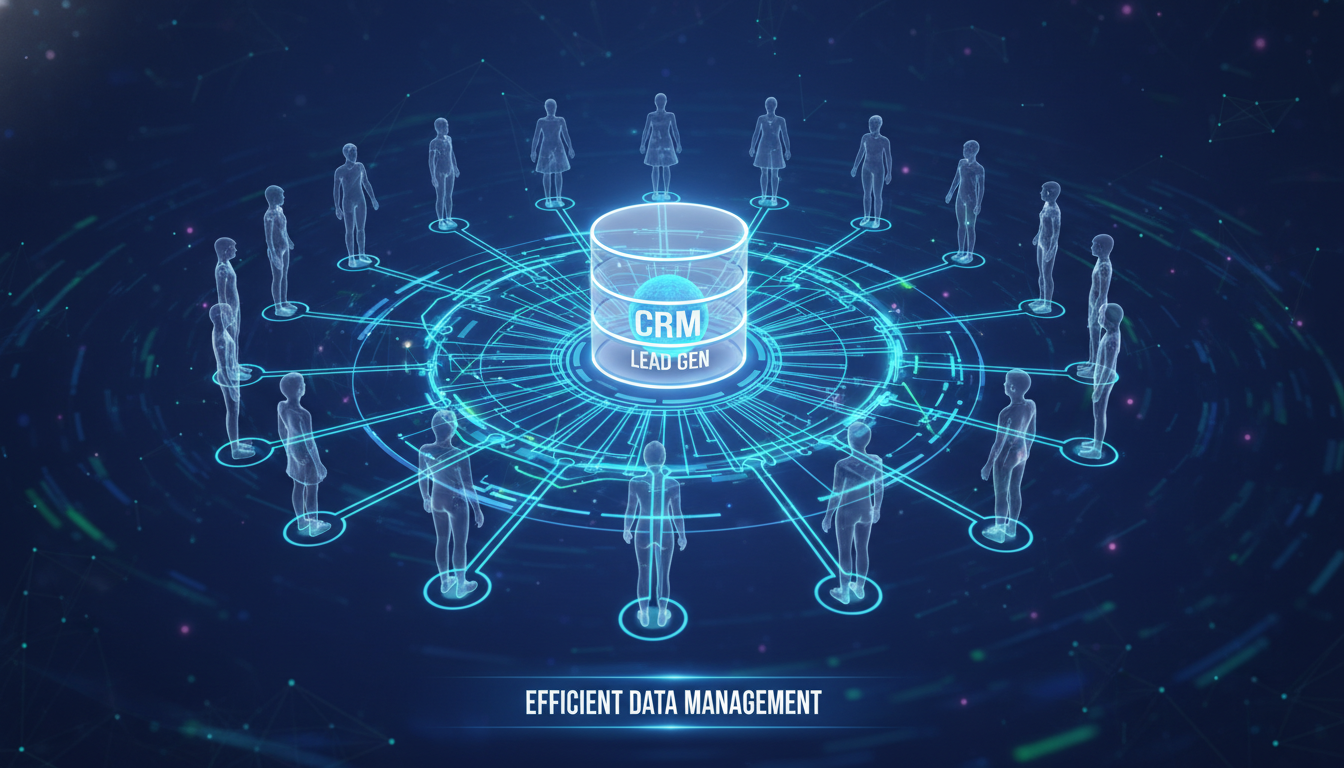
For the modern consumer, the ‘what’ and ‘how’ of a product are no longer sufficient; they want to know the ‘who’ and ‘why’ behind the brand. Today’s customers are increasingly making purchasing decisions based on a company’s carbon footprint, its treatment of employees, and its transparency in governance. Similarly, institutional investors are pivoting toward companies that can demonstrate long-term sustainability through hard data.
Integrating ESG metrics directly into a CRM allows businesses to bridge the gap between their values and their customer interactions. It transforms sustainability from a quarterly footnote into a real-time operational reality. When a sales representative opens a lead profile, they aren’t just seeing potential deal sizes; they are seeing the alignment between the prospect’s ESG goals and the company’s own ethical standards.
Defining ESG-Integrated CRM
At its core, an ESG-integrated CRM is a platform that tracks traditional customer data alongside sustainability and social impact metrics. It goes beyond simple contact management to offer a holistic view of the relationship ecosystem.
Environmental tracking might involve calculating the carbon footprint of shipping a product to a specific customer or tracking the energy efficiency of services provided. Social metrics could involve monitoring the diversity of the supply chain partners associated with a project or tracking customer satisfaction through the lens of accessibility and inclusivity. Governance involves ensuring that every customer interaction adheres to strict data privacy laws (like GDPR) and ethical selling practices.
[IMAGE_PROMPT: A sophisticated 3D rendering of a futuristic CRM dashboard showing data visualizations of sales growth alongside green leaf icons representing carbon offsets and social impact scores in a clean, modern interface.]
Key Features of the Next-Generation CRM
What does this look like in practice? A robust ESG-integrated CRM typically features several advanced modules:
1. Carbon Calculators per Lead: Automatically estimating the environmental impact of a potential contract based on logistics and resource consumption. This allows sales teams to offer ‘greener’ alternatives during the negotiation phase.
2. Ethical Sourcing Verification: Integration with third-party databases to ensure that the vendors and partners associated with a client account meet specific labor and human rights standards.
3. Automated ESG Reporting: Instead of manually gathering data for an annual sustainability report, the CRM can generate real-time reports on how customer-facing activities contribute to the company’s overall ESG targets.
4. Stakeholder Engagement Tools: Moving beyond ‘customers’ to ‘stakeholders.’ This includes modules for managing relationships with community leaders, NGOs, and environmental regulators, all within the same platform used for sales.
The Strategic Benefits: Beyond Just Feeling Good
While the ethical arguments are compelling, the business case for ESG-integrated CRM is equally strong.
Enhanced Brand Loyalty: Transparency is the new currency. By using a CRM to track and communicate ESG efforts at an individual customer level, brands can build a level of trust that traditional marketing can’t touch. Imagine sending a personalized year-end report to a client showing how their partnership specifically contributed to a reforestation project or a local community initiative.
Risk Mitigation: Companies are increasingly liable for the ethical lapses of their partners and clients. An integrated system provides early warning signs if a customer or vendor deviates from agreed-upon governance standards, allowing the company to distance itself before a PR crisis hits.
Operational Efficiency: Managing ESG data in a separate spreadsheet is a recipe for error and inefficiency. Centralizing this data in the CRM ensures that everyone—from the CEO to the junior account executive—is working from a single version of the truth.
[IMAGE_PROMPT: A diverse team of professionals in a bright, eco-friendly office space collaborating around a large touchscreen display that shows a world map with green sustainability nodes and business growth charts.]
Overcoming the Hurdles
The road to ESG-integrated CRM is not without its bumps. The primary challenge is data fragmentation. Most companies have ESG data scattered across supply chain software, HR systems, and third-party audits. Bringing this into the CRM requires robust API integrations and a commitment to data hygiene.
Furthermore, there is the challenge of standardization. What defines a ‘good’ social impact score? Until global ESG reporting standards (like those from the ISSB) are fully matured, companies must be careful to define their metrics clearly to avoid accusations of ‘greenwashing.’
The Future: AI and the ESG-CRM Synergy
The future of this space lies in Artificial Intelligence. Predictive AI will soon be able to analyze a company’s CRM data to suggest ways to improve ESG scores. For example, an AI could suggest a different delivery route for a high-value customer that reduces carbon emissions by 15% without affecting delivery time. Or, it could identify patterns in customer feedback that point toward a social issue the company hasn’t yet addressed.
As we look ahead, the ‘integrated’ part of ESG-integrated CRM will eventually become redundant. Just as we no longer talk about ‘mobile-friendly’ websites because they are now the standard, we will eventually reach a point where a CRM that doesn’t track ESG metrics is considered incomplete.
Conclusion
ESG-integrated CRM software is more than just a tool; it’s a statement of intent. It signals that a company is ready to take its place in a more conscious, accountable global economy. By merging the science of relationship management with the ethics of sustainability, businesses can finally prove that profitability and purpose are not mutually exclusive. For the savvy journalist or business leader, the message is clear: the most valuable customer relationships of the future will be built on a foundation of shared values and verifiable impact.